Presence as Performance: The Unspoken Language of Walking Into a Room Like You Belong There
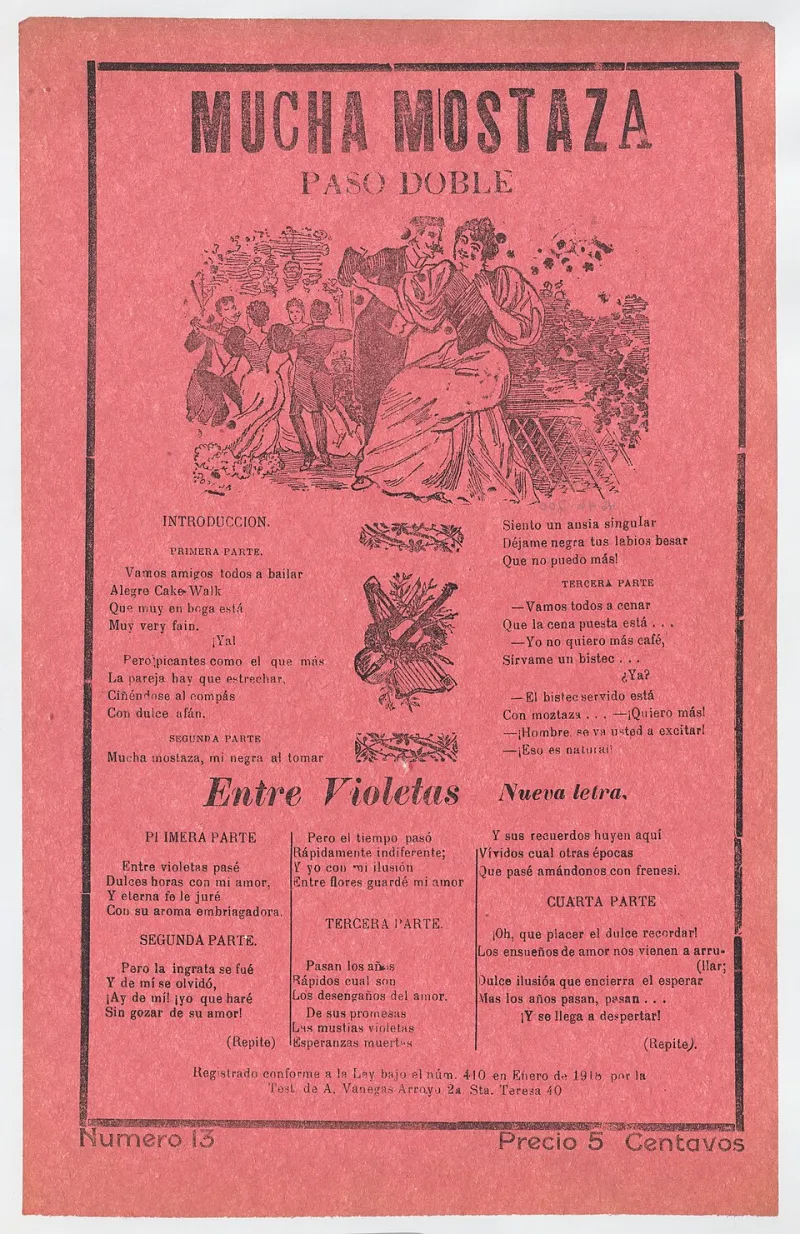
Photo: Antonio Vanegas Arroyo / José Guadalupe Posada, CC0, via Wikimedia Commons
There is a precise moment, lasting no more than three to five seconds, that determines how an entire room perceives you. It occurs the instant you step through a door — before you have spoken a word, ordered a drink, or greeted a single soul. In the most exclusive social environments in America, from Manhattan's private membership clubs to the intimate performance lounges of Las Vegas, that moment is everything.
At Club Jenaveve, where desire meets distinction, members understand something that casual nightlife patrons rarely grasp: presence is not accidental. It is constructed, rehearsed, and delivered with intention. The good news is that this skill is entirely learnable.
The Psychology Behind the First Impression
Human beings are wired to make rapid social assessments. Research from Princeton University has demonstrated that individuals form lasting judgments about a stranger's competence, trustworthiness, and social standing within milliseconds of visual contact. In an exclusive club setting, those assessments carry particular weight — the environment itself is curated to attract people who take their social experience seriously.
"Confidence is perceived before it is felt," says one New York-based etiquette coach who works privately with executives and performers. "The body communicates a story to the room before the mind has had a chance to compose a sentence. Your posture, your pace, the direction of your gaze — all of it is broadcasting a signal."
The signal you want to broadcast is one of ease. Not arrogance, not urgency, but a composed, unhurried certainty that you are precisely where you intended to be.
Posture: The Architecture of Confidence
The foundation of commanding presence is physical. Before considering wardrobe or conversation, examine the architecture of your body as you move through space.
Elongated posture — shoulders drawn back and down, chest open, chin parallel to the floor — communicates authority without aggression. It signals that you are comfortable occupying space, a subtle but powerful social cue in environments where status is quietly observed by everyone in the room.
Equally important is your pace. Members of exclusive venues rarely rush. A measured, deliberate stride conveys that you are not chasing anything — that the evening is unfolding according to your own preferred tempo. This is not slowness for its own sake; it is the physical expression of someone who has arrived at a destination, not fled from one.
Practice this transition consciously. Before entering any premium social space, pause briefly outside. Take a breath. Compose your expression into one of calm engagement — neither a forced smile nor a blank stare, but the look of someone who is genuinely pleased to be present.
The Role of Eye Contact and Spatial Awareness
Upon entering a room, resist the impulse to scan anxiously for familiar faces or immediately reach for your phone. Both behaviors signal social insecurity, and in a high-caliber environment, they diminish the impression you are working to create.
Instead, allow your gaze to move through the room with relaxed curiosity. Brief, confident eye contact with those nearby — held for a moment and then released naturally — establishes you as someone socially fluent and at ease. It also opens conversational possibilities without demanding them.
Spatial awareness is equally critical. Exclusive clubs are designed with intentional flow — seating arrangements, lighting, and performance sightlines that guide movement and interaction. Attuning yourself to that architecture, rather than moving against it, demonstrates a form of social sophistication that experienced members notice immediately.
Wardrobe as Communication
In premium adult entertainment venues and exclusive social clubs alike, dress is never merely aesthetic — it is communicative. Your wardrobe choices signal your understanding of the environment's standards and your respect for the experience being offered.
At Club Jenaveve, the dress code is not arbitrary. It reflects a commitment to an atmosphere where every element — from the lighting design to the curated talent on stage — is selected with care. Arriving dressed in alignment with that standard is itself a form of social fluency.
Etiquette professionals consistently advise erring toward formality in unfamiliar upscale environments. A well-tailored garment, quality accessories, and attention to grooming communicate effort and intentionality. Fit, in particular, matters enormously — clothing that fits the body well conveys self-awareness and care, regardless of the price point of the garment itself.
Color psychology also plays a role. Deep, saturated tones — navy, burgundy, charcoal, forest green — tend to read as authoritative and composed in low-lit, intimate settings. Avoid anything that appears hastily chosen or inconsistent with the venue's overall aesthetic register.
The Entrance as a Practiced Art
Seasoned performers — many of whom grace the stages of premium venues across the country — approach every entrance as a choreographed moment. "You never just walk in," one veteran burlesque performer explained during a conversation about stage presence. "You arrive. There's a difference. Arriving means you've decided something about how you want to be received before you've taken a single step."
This philosophy translates directly to social settings. Deciding, before you enter, what energy you intend to bring into a room is a form of mental preparation that the most socially adept individuals practice consistently. Are you there to connect? To observe? To celebrate? The clarity of that intention shapes every physical and conversational choice that follows.
For Club Jenaveve members, the entrance into the venue itself is the beginning of the evening's experience — not a preamble to it. The threshold is where the distinction begins.
Practical Steps for Elevating Your Social Presence
For those committed to refining this skill, the following practices offer a structured starting point:
Mirror rehearsal: Practice your entry posture and stride at home, using a full-length mirror to observe what the room will see. Adjust until the posture feels both natural and commanding.
Breath regulation: Anxiety contracts the body and accelerates movement. A slow, deliberate exhale before entering any social space activates the parasympathetic nervous system, physically producing the calm that reads as confidence.
Deliberate grooming investment: Allow adequate time before any premium social outing to attend to grooming thoroughly. Rushed preparation is visible in the result.
Study the space in advance: For first-time visitors to any exclusive venue, reviewing available information about the dress code, layout, and culture eliminates the uncertainty that produces anxious body language upon arrival.
Engage before you need to: Warm up your social faculties before arriving — a brief conversation with a friend, a phone call, even a few minutes of engaged reading. Social confidence, like a voice before a performance, benefits from a warm-up.
Distinction Is Deliberate
The members who move through Club Jenaveve with the most evident ease are not simply born with social grace — they have invested in it. They have studied the environments they frequent, understood the unspoken codes, and made the daily commitment to presenting themselves as individuals who take their own experience seriously.
The art of the entrance, ultimately, is the art of self-knowledge expressed outwardly. When you know who you are and what you bring to a room, the room responds accordingly. That is not performance in the hollow sense — it is authenticity, refined.