Password Required: How American Nightlife Entered Its Speakeasy Era
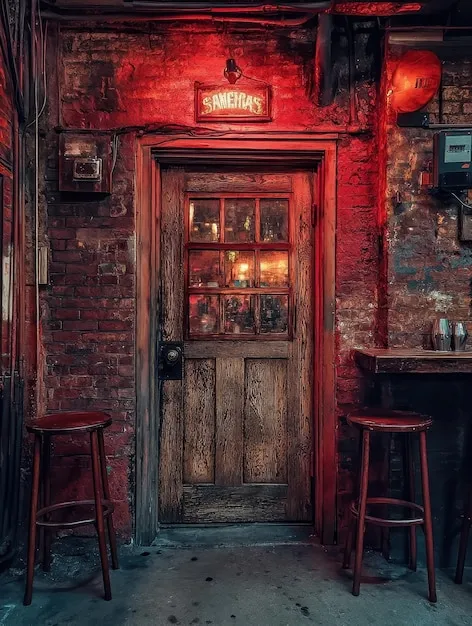
Photo: hidden speakeasy entrance unmarked door moody vintage nightlife, via img.freepik.com
Every era of American nightlife gets the venue it deserves. The postwar decades built the supper club. The eighties and nineties built the megaclub — velvet ropes, bottle service, a thousand strangers screaming over the same DJ. And this decade, quietly and decisively, is building something else entirely: the speakeasy reborn, this time without the Prohibition excuse.
The Return of the Hidden Door
Walk the entertainment districts of Miami, Los Angeles, or lower Manhattan and you'll notice the shift. The loudest venues are no longer the most coveted. The rooms that matter are unmarked, unlisted, and often reachable only by introduction. Word-of-mouth has replaced the billboard. The door policy has replaced the marketing budget. In an age where anyone can find anything online, exclusivity has migrated to the one channel that can't be searched: who you know.
The parallels to Prohibition are structural, not superficial. Speakeasies thrived because scarcity created community — everyone inside was there on purpose, vouched for, complicit in the evening. Modern members-only adult venues have rebuilt that same psychology. The member list is the new password. The referral is the new handshake.
Intimacy as the Ultimate Luxury
The economics explain themselves. The American consumer who once spent freely on spectacle now spends selectively on experience — and experience, at the high end, means intimacy. A room of forty where the service knows your name outperforms a warehouse of four thousand where nobody does. The adult entertainment industry, often first to read the culture's appetites, has absorbed this lesson faster than almost any other nightlife segment.
The best clubs now compete on everything the megaclubs ignored: acoustics that permit conversation, staffing ratios that anticipate rather than react, door policies that protect the room's character. Discretion, once a niche preference, has become the headline amenity.
Who Gets Through the Door — and What It Means
This shift redistributes more than revenue; it redistributes power. In the rope-and-bottle era, money alone could buy proximity. In the speakeasy era, the currency is conduct. Reputation travels. A guest who treats performers with respect, honors the room's confidentiality, and returns with genuine regularity will, over time, outrank the louder wallet. There is something almost old-fashioned — and, frankly, refreshing — about that.
For American discretionary spending, the implication is clear: the nights out worth having are becoming harder to find on purpose, and the effort of finding them is part of the price. The speakeasy moment won't last forever; no era does. But for now, the most alluring rooms in the country share a trait with their Prohibition ancestors: you can't buy your way in. You can only be welcomed.